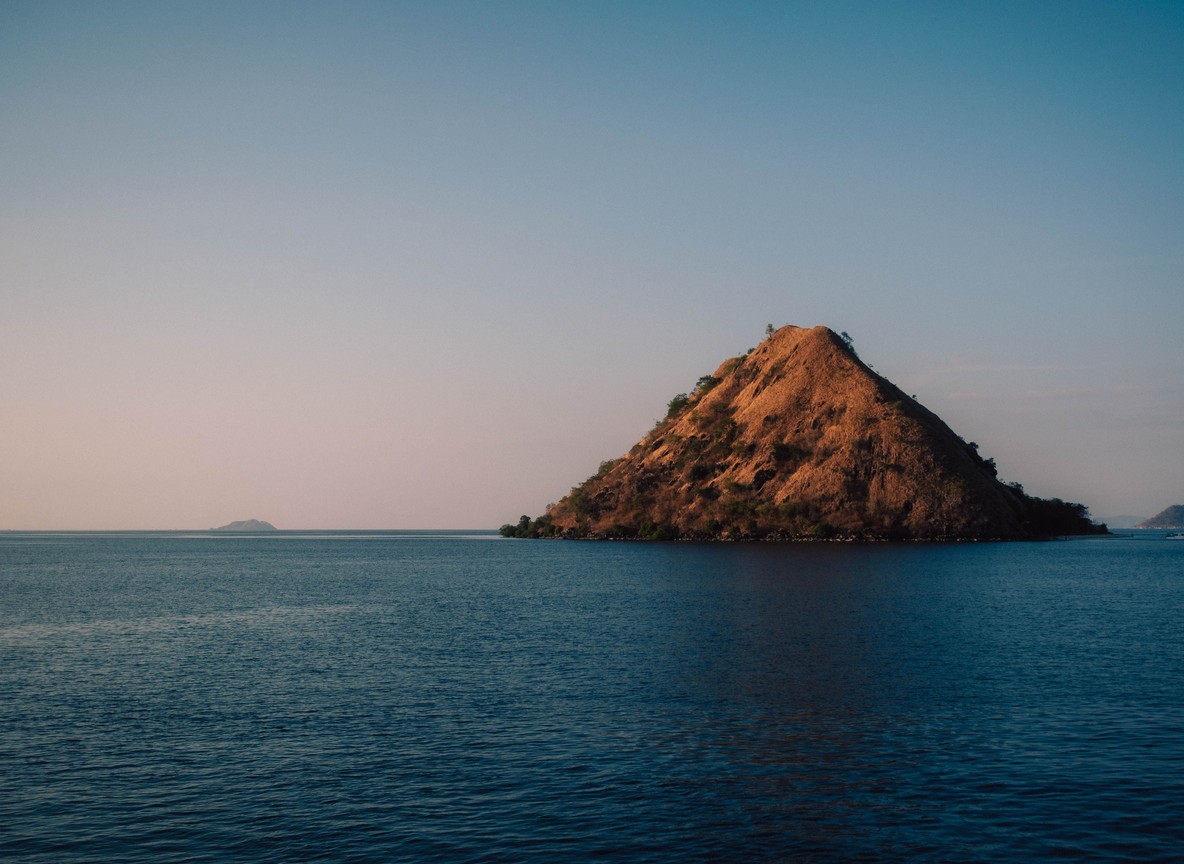
Lake Turkana does not make visiting easy, and Central Island National Park makes you work for it twice over. First you reach the lake itself, one of the most remote corners of Kenya. Then you find a boat. The reward is a 5 km2 volcanic island holding three crater lakes, one of which shelters the world’s largest breeding colony of Nile crocodiles. Few travelers make it here. Fewer still know what the trip actually costs in time, money, and planning. Touring Insights breaks down how to reach Central Island, what you will see once you land, and how it compares to its better-known neighbor, Sibiloi National Park.
What Central Island National Park Actually Is
Central Island sits roughly in the middle of Lake Turkana, Kenya’s largest desert lake and part of the Great Rift Valley system. The island formed from three overlapping volcanic craters, and each now holds its own lake: Crocodile Lake, Flamingo Lake, and Tilapia Lake. Steam vents and sulfur-crusted ground near the crater rims show the volcanic system is still active, though eruptions are rare. Kenya Wildlife Service gazetted the island as a national park in 1983. UNESCO folded it into the Lake Turkana National Parks World Heritage listing in 1997, alongside Sibiloi and South Island. At just 5 km2, Central Island is by far the smallest of the three, but it draws the most attention for one reason: crocodiles.
The Crocodile Lake and Its Nile Crocodile Colony
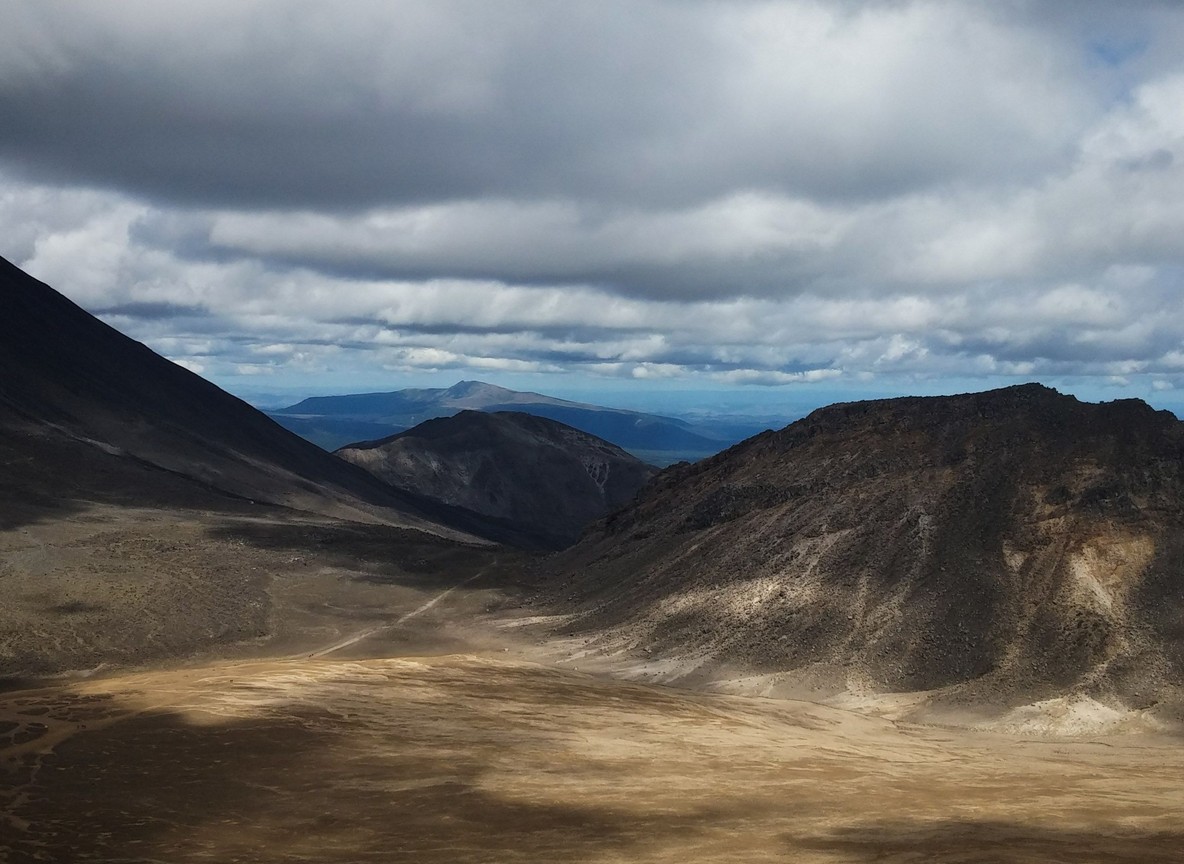
Crocodile Lake earns its name honestly. Researchers have documented thousands of Nile crocodiles using its shores and the surrounding lakeshore to nest, making it the largest known breeding concentration of the species anywhere. Local Turkana communities have long called the island by a name that translates roughly to Crocodile Island, well before KWS formalized the park boundary. The crocodiles nest in sandy banks around the crater lake between roughly July and September, and hatchlings emerge months later. Guides on the island can usually point out active nesting banks from a respectful distance. This is not a place for close-up crocodile photography from the shoreline. Boat operators and KWS rangers keep visitors well back from nesting areas, and that distance is a safety rule, not a suggestion.
How to Get to Central Island: Boat Access From Loiyangalani and Kalokol
There is no vehicle route onto Central Island itself. Every visit starts with a boat, launched from one of two shore towns on opposite sides of the lake.
From Loiyangalani, on the lake’s southeastern shore, the crossing takes roughly 45 minutes by motorized boat in good conditions. Loiyangalani has a small airstrip (Loiyangalani Airport, code LOY) served by charter flights. By road it sits about 440-475 km north of Nairobi, an 8 to 12 hour drive depending on the route and rain conditions.
From Kalokol, on the western shore, boat operators also run charters to the island. Kalokol connects back to Lodwar, the region’s main town, which has scheduled flights from Nairobi’s Jomo Kenyatta International Airport (roughly 1.5 hours in the air) and an all-tarmac road route via Eldoret and Kitale covering about 640 km.
Lake Turkana is notorious for sudden strong winds, and boat operators will delay or cancel crossings when conditions turn. Build a buffer day into any Central Island itinerary rather than scheduling the crossing on your last available day.
| Departure point | Distance/time to Central Island | Access to departure point from Nairobi |
|---|---|---|
| Loiyangalani (SE shore) | ~45 min by boat | ~440-475 km road (8-12 hrs) or charter flight to LOY |
| Kalokol (W shore) | Boat hire, negotiable, similar range | Fly to Lodwar (~1.5 hr flight) then ~65 km road to Kalokol, or ~640 km road via Eldoret/Kitale |
Central Island vs Sibiloi National Park: Which One Fits Your Trip
Sibiloi National Park, on the lake’s northeastern shore, is the other major stop within the Lake Turkana National Parks World Heritage Site. It draws a different crowd for a different reason: the Koobi Fora fossil beds, among the most important human-origin sites on the continent. The two parks pair well on a longer northern Kenya itinerary, but they suit different priorities if you only have time for one.
| Feature | Central Island National Park | Sibiloi National Park |
|---|---|---|
| Park size | ~5 km2 | ~1,570 km2 |
| Main draw | Crater lakes and Nile crocodile breeding colony | Koobi Fora fossil sites, human-origin research |
| Access | Boat only, 45 min from Loiyangalani | Road access via Loiyangalani or North Horr, high-clearance 4×4 |
| Typical visit length | Half day, including the crossing | Full day or overnight |
| Best paired with | A Loiyangalani base and a boat morning | A longer northern circuit with camping |
If wildlife and a genuinely unusual landscape are the priority, Central Island wins on novelty per hour spent. If deep history and open desert scenery matter more, Sibiloi rewards the extra driving.
Fees, Permits, and What a Visit Actually Costs
KWS classifies Central Island under its Wilderness parks category, alongside Sibiloi and other remote northern parks. Published non-resident rates have varied across recent fee updates. Treat the figures below as an indicative range, and confirm the current rate directly with KWS or your operator before you travel.
| Cost item | Indicative range (USD) | Notes |
|---|---|---|
| KWS non-resident adult entry | $25-40/day | Confirm current Wilderness-category rate before booking |
| KWS non-resident child entry | $15-20/day | Under 18, confirm current rate |
| Boat hire (round trip) | $50-100 | Negotiated locally in Loiyangalani or Kalokol, price depends on group size |
| Local boatman/guide fee | $20-50/day | Often separate from boat hire cost |
| Loiyangalani charter flight (one way, indicative) | Varies widely by aircraft and season | Book through a northern Kenya specialist operator |
Cash is the practical currency in Loiyangalani and Kalokol. Card payment and reliable connectivity are not something to plan around this far from Nairobi.
When to Visit and Lake Conditions to Expect
The dry months from roughly January to March and July to October bring calmer water and more predictable boat crossings. Lake Turkana’s afternoon winds pick up most days regardless of season, which is why most operators schedule the Central Island crossing for early morning. Midday heat on the open lake is intense, with little shade once you are on the water or on the island itself. Bring more water than you think you need. There is no reliable supply point on Central Island.
Wildlife and Birdlife Beyond the Crocodiles
Flamingo Lake, the second of the island’s three craters, attracts lesser and greater flamingos along with other waterbirds when conditions suit them, though numbers shift year to year with water levels. Tilapia Lake supports fish stocks that have historically drawn subsistence fishing from nearby communities, though access rules within the park boundary restrict this. Beyond the crater lakes, the island’s shoreline is a good spot for Nile monitor lizard sightings and, seasonally, migratory shorebirds using Lake Turkana as a stopover on the Rift Valley flyway.
Explorer Notes
Pack reef-safe sunscreen and a hat with a strap. The open boat crossing and the exposed crater rims offer zero shade, and Turkana sun at midday is sharper than most first-time visitors expect. Ask your boatman before departure whether Crocodile Lake nesting banks are active that week. Rangers sometimes close specific viewing points during peak nesting to reduce disturbance, and that can change your best vantage point on short notice. If you are traveling with a longer lens for the crocodiles, a 300mm-plus focal length lets you shoot from the mandated safe distance without cropping heavily. Bring a dry bag. Lake Turkana’s chop can send spray over the gunwale even on a calm-looking morning, and there is nowhere on the island to dry out gear.
What to Read Next
- Lake Turkana Safari Guide: Remote Routes, Camps, and Cultural Highlights
- 7-Day Northern Kenya Safari Itinerary: Samburu to Lake Turkana
- Lake Turkana, Kenya: A Complete Overview
FAQ
Can you visit Central Island National Park without a boat? No. There is no road or bridge access. Every visit requires hiring a boat from Loiyangalani or Kalokol, and crossings depend on lake conditions that day.
Is it safe to walk near Crocodile Lake? Yes, with a KWS ranger or licensed local guide and from the designated viewpoints. Independent, unguided walks near the nesting banks are not permitted and are not safe.
How long does a Central Island visit take? Most trips run as a half day from Loiyangalani, including the boat crossing, a walk to the crater lakes, and the return trip. Weather delays can extend this.
Is Central Island worth visiting if I am already going to Sibiloi? The two parks reward different interests and sit on opposite shores of a very large lake, so pairing them takes real planning. If your itinerary already routes through Loiyangalani, the short boat add-on to Central Island is usually worth the half day.
What is the best month to attempt the crossing? January through March and July through October generally bring calmer water, though wind can pick up on any given afternoon regardless of season.
Central Island is not a stop you add on a whim. It takes a boat, a buffer day, and a guide who knows the lake’s moods. If a Lake Turkana leg is taking shape in your planning, check the Tour Packages page for northern Kenya routings. Or ask a Turkana-based operator directly whether a Central Island crossing fits into your Loiyangalani stay.